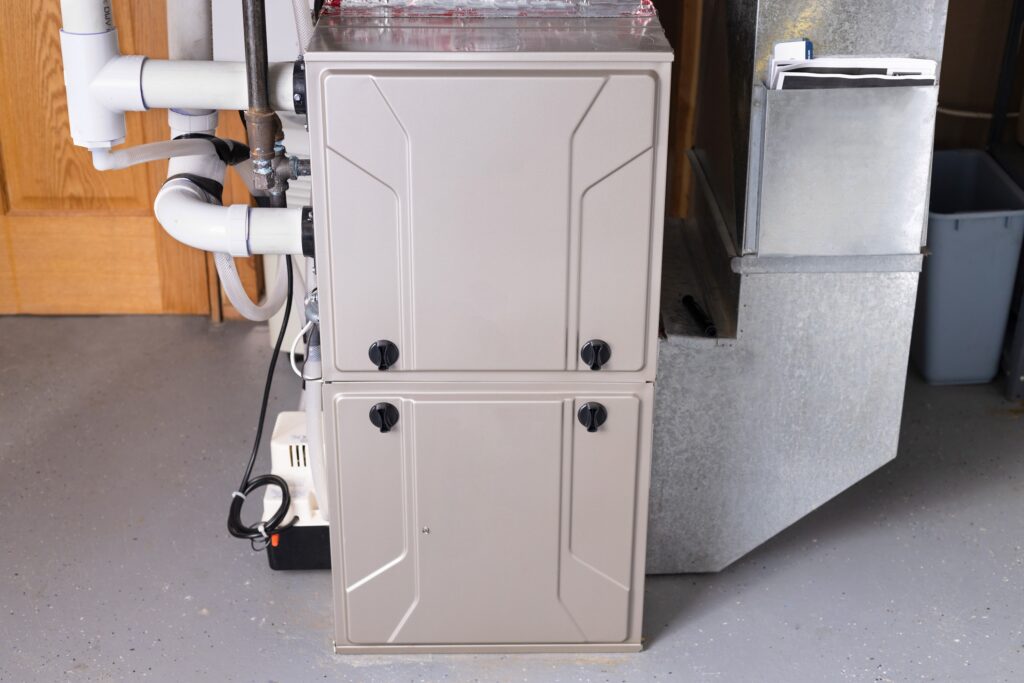
Your furnace heat exchanger acts as the heart of your heating system. It separates dangerous combustion gases from the air circulating through your home so that you can stay warm without exposing your family to harmful fumes. When this metal component develops a crack, however, it can allow carbon monoxide and other combustion gases to enter your ductwork. That situation turns a comfort issue into a serious safety concern. Recognizing those warning signs early helps protect your home and gives you time to schedule HVAC repairs before the problem escalates into an emergency.
The “Formaldehyde” Smell: Identifying Chemical Odors
One of the most recognizable warning signs that you may notice involves a sharp, chemical-like odor when the furnace runs. The odor is often described as similar to formaldehyde, burning plastic, or a “dirty sock” smell that appears shortly after the system starts. These strange furnace odors often develop when combustion gases escape through a compromised heat exchanger and circulate through the ductwork instead of venting safely outside.
Although carbon monoxide itself has no smell, other byproducts of combustion do. When a crack forms, gases such as aldehydes and other irritants can enter the airflow and create a noticeable scent. That odor may seem mild at first, but it typically becomes more persistent as the damage worsens. If the smell appears only during heating cycles and disappears when the furnace shuts off, it strongly suggests an internal issue rather than something like dust burning off.
You may also notice the odor tends to intensify after the furnace runs longer. This pattern happens because increased heat and pressure inside the exchanger can widen small fractures, allowing more gases to escape. Ignoring these early warning signs increases the risk of carbon monoxide danger from the furnace and may lead to more extensive furnace repair needs.
Why Cold Spots Signal an Inefficient (and Broken) System
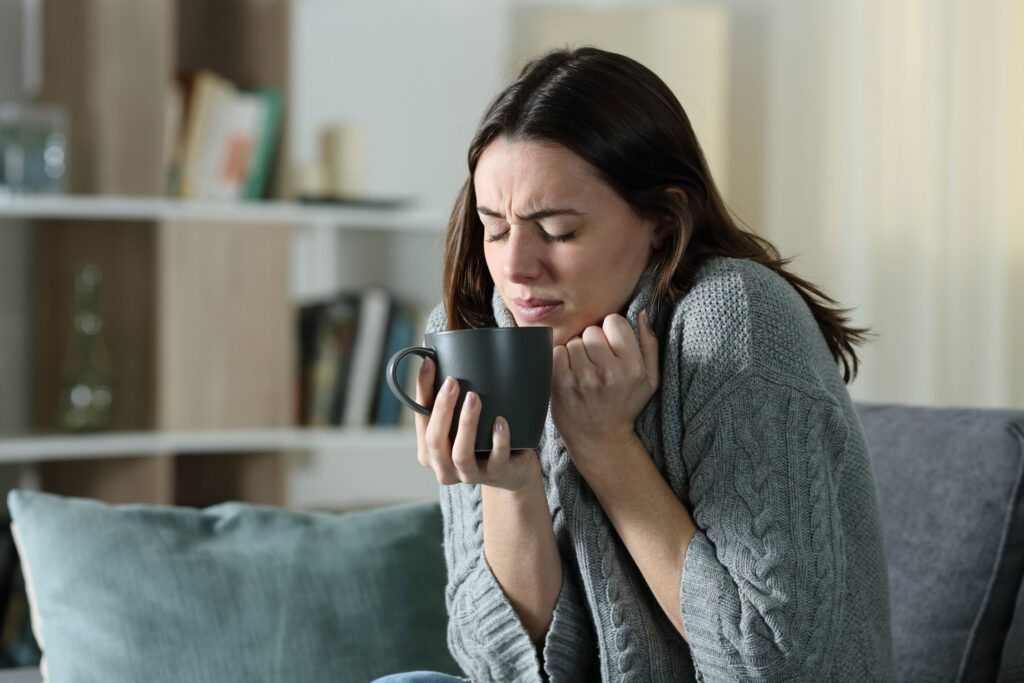
Cold spots in the house tend to accompany a cracked heat exchanger. When the exchanger loses structural integrity, the furnace will begin to struggle to maintain consistent pressure and combustion performance. That instability can prevent the system from delivering steady heat.
Safety controls may also trigger frequent shutdowns when sensors detect abnormal combustion conditions. As a result, rooms may heat unevenly or feel colder than normal even though the furnace continues to run. These temperature inconsistencies can be a sign of deeper mechanical problems that require professional HVAC repair.
Visual Red Flags: Soot and Flame Color
In some cases, you can spot physical warning signs. Soot buildup inside the furnace cabinet or near burner components often indicates incomplete combustion. When combustion doesn’t occur properly, the heat exchanger may already be damaged.
The flame color also offers clues. A healthy furnace burner produces a steady blue flame. A flickering, yellow, or irregular flame can also indicate airflow disruptions or combustion issues that relate to a damaged exchanger. While these signs don’t confirm a crack, they strongly suggest the need for you to schedule an immediate inspection.
The Carbon Monoxide Factor: A Silent Safety Emergency
Carbon monoxide danger from a furnace poses a serious and immediate threat that you should never underestimate. CO is an odorless gas that can cause severe illness or death when it accumulates indoors. A cracked heat exchanger creates a direct path for this gas to enter your home’s air supply.
Symptoms of exposure include headaches, dizziness, nausea, confusion, and fatigue. Because these symptoms resemble common illnesses, homeowners often overlook the cause. That delay can increase the risk, especially during the colder months when your furnace runs frequently. Working carbon monoxide detectors are essential in every home. If an alarm sounds or you suspect exposure, leave the house right away and contact emergency services. A furnace suspected of leaking CO requires immediate professional evaluation.
How Action Plumbing, Heating, A/C & Electric Protects Your Home
Our team of technicians uses special tools to identify heat exchanger failures. Infrared imaging can reveal temperature inconsistencies that indicate cracks, while combustion analyzers measure gas levels to detect dangerous leaks.
Action Plumbing, Heating, A/C & Electric provides thorough inspections to pinpoint cracked heat exchanger symptoms before they create serious hazards. We evaluate airflow and combustion performance to determine whether furnace heat exchanger replacement is necessary. Since these issues often arise during peak heating season, the company offers responsive HVAC repair services and emergency support when homeowners suspect a carbon monoxide risk or heating failure.
Contact Our Reliable HVAC Company Today
Strange odors, uneven heating, and cold spots in the house often point to more than comfort problems. They can signal serious cracked heat exchanger symptoms and the potential for carbon monoxide exposure. Addressing these warning signs early helps prevent emergencies and keeps your home safe.
Our technicians in Sun Prairie, WI, and the surrounding areas will be able to identify hidden damage, recommend furnace heat exchanger replacement when needed, and ensure your heating system operates safely and efficiently.
If your furnace shows signs of trouble, schedule a professional inspection with Action Plumbing, Heating, A/C & Electric.
FAQ
Can a Cracked Heat Exchanger Be Repaired?
Our technicians typically replace the damaged component or recommend furnace replacement instead of repairing the exchanger. Safety and liability concerns make patching or welding unreliable, especially when the risks include carbon monoxide exposure.
How Do Heat Exchangers Crack in the First Place?
Age, repeated heating cycles, restricted airflow, and poor maintenance can lead to stress fractures. Overheating caused by dirty filters or blocked ducts will accelerate wear and create structural weaknesses.
Will a Furnace Still Run With a Cracked Heat Exchanger?
In some cases, the furnace may continue operating for a period of time. However, running a system with this damage creates serious safety risks and can expose your household to harmful gases.
How Often Should I Have My Heat Exchanger Checked?
Annual fall maintenance provides the best protection. Regular inspections allow technicians to detect developing issues early, maintain safe operation, and reduce the likelihood of emergency HVAC repair during winter.